Heating and cooling systems rarely fail politely, and in Normal, IL, a breakdown usually arrives on the hottest afternoon or the coldest night of the year. What surprises most homeowners is how many different failures produce the same symptom. A system that runs but never reaches temperature might be fighting a weak run capacitor, a pitted contactor, a low refrigerant charge, a dirty flame sensor, or simply a filter so clogged the blower is starving for air. A system that will not start at all could be a tripped float switch on a backed-up condensate drain, a failed transformer, a bad thermostat, or a control board that has stopped sequencing the equipment.
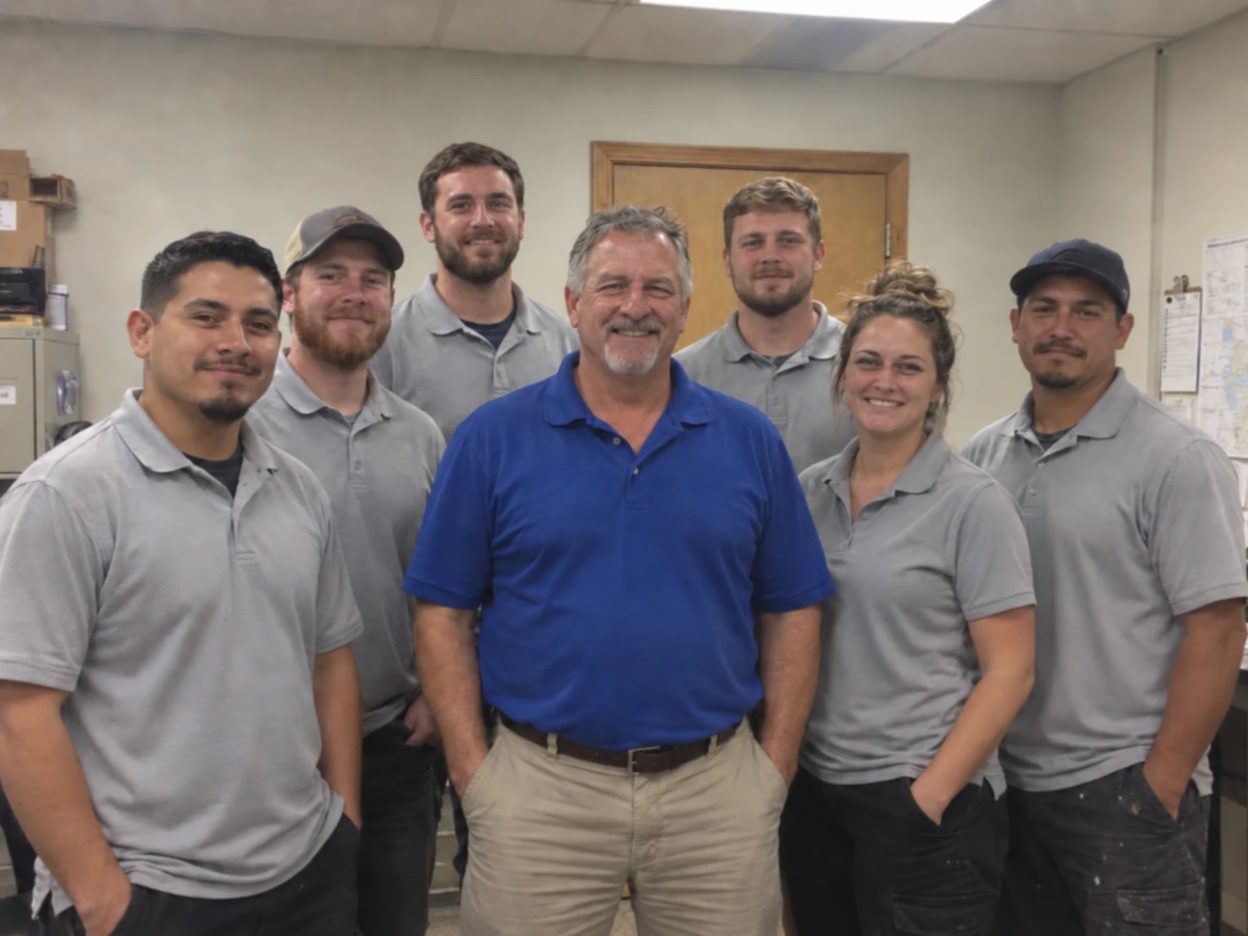
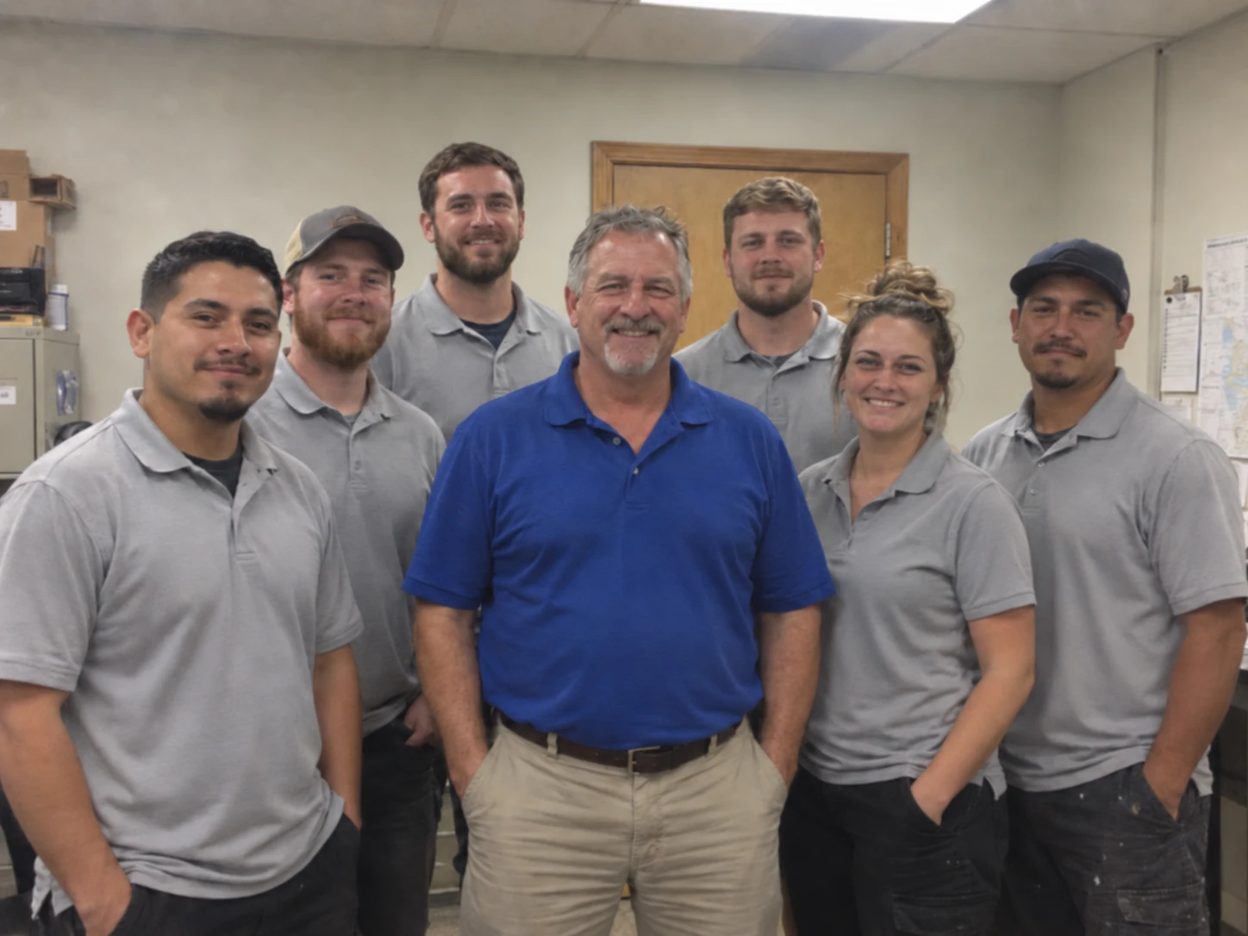
Normal HVAC approaches every repair diagnosis-first. Our experienced technicians test rather than guess: capacitors are metered for microfarads instead of eyeballed, refrigerant circuits are checked with gauges and temperature clamps for superheat and subcooling, flame sensors are tested for microamp signal, and static pressure gets measured when airflow is the suspect. That discipline matters because parts-swapping wastes your money. A hard-starting compressor, a failing capacitor, and a low-voltage short can all masquerade as the same complaint, and only one of them is actually broken. Once we pinpoint the fault, we explain what failed, why it failed, and exactly what the fix involves before any work begins.
Central air, heat pumps, gas and electric furnaces, air handlers, ductless mini splits: we work on all of them, from every major brand. Our vans carry the parts that fail most, including capacitors, contactors, igniters, flame sensors, blower motors, and condensate pumps, so a typical repair wraps up in one visit. And if a system has genuinely reached the end of the road, you will hear that from us straight, along with your replacement options, rather than a pitch for a repair that will not hold. Call (309) 290-9444 for same-day HVAC repair in Normal.
Our two most requested repairs are AC Repair in Normal and Furnace Repair in Normal. That's the place to start if you need a fix today.
Warning Signs for HVAC Repair
Spotting the early warning signs gives you the chance to act before the situation spirals into something far more expensive. Here are the most common indicators that it's time to call a professional:
- Airflow at the registers that feels weak in every room
- The system short-cycling on and off without reaching the set temperature
- Rising utility costs even though the house feels worse
- A humming outdoor unit that never kicks on
- Vents blowing warm when you want cool, or cool when you want heat
- Repeated breaker trips every time the heating or cooling kicks on
- Water pooling around the indoor equipment, often from a clogged condensate drain
- New noises such as grinding, squealing, buzzing, or banging
Don't Wait for a Total Failure
Most HVAC failures start small, a weak capacitor, a squealing blower, a system that runs a little longer each week. Call Normal HVAC at (309) 290-9444 at the first sign of trouble.
Your HVAC Repair Questions Answered
Why Professional HVAC Repair Matters
Start with safety. Outdoor units and air handlers are fed by 240-volt circuits, capacitors keep a painful charge long after the power is shut off, refrigerant cannot legally be handled without recovery equipment, and a gas furnace combines fuel piping, open combustion, and flue gases, where small errors lead to gas leaks or carbon monoxide exposure. Then add the diagnostic problem. A system that runs but does not cool could have a failing capacitor, a low charge, an iced-over evaporator, or simply poor airflow, and buying parts until the symptom disappears rarely ends cheaply.
What professional service buys you is certainty. Instead of guesses, our technicians use meters on capacitors and motors, superheat and subcooling readings on the refrigerant side, microamp flame signal tests before any board is condemned, and static pressure measurements when the duct system may be starving the equipment. That usually makes the repair cheaper as well as safer. And because an aging unit is not always worth fixing, we give you a straight answer on repair versus replacement before you commit to either one.
What to Expect From Our HVAC Repair
Every visit follows a step-by-step method refined over years of hands-on experience. Here's how we handle HVAC repair from start to finish:
Diagnostic Inspection
Every key component gets checked with meters and gauges, from the capacitor and contactor to the motors, sensors, charge, and airflow. Finding the actual failure first is how we keep unnecessary parts off your bill.
Straight Answers & Firm Price
You see what we found and hear why it failed, then get a firm quote before any work starts. If replacement makes more sense than repair, we tell you plainly and explain the options.
Same-Visit Repair
Because we stock capacitors, contactors, igniters, flame sensors, and motors, most repairs happen right then, and your heating or cooling is back before we leave.
Performance Check
Before we pack up, the system runs a full cycle while we confirm temperature split, airflow, and amp draws against the data plate, making sure everything operates safely.
Want a Professional Opinion?
Our experienced technicians can assess your situation and recommend the best solution.
Call (309) 290-9444 TodayHow to Prevent HVAC Repair Problems
A few simple habits now, like regular filter changes and seasonal tune-ups, can add years to your system's life. Start with these practical measures our team relies on:
- Flush the condensate drain line each spring before algae can clog it and trip the float switch
- Keep the outdoor unit clear of grass, leaves, and shrubs so the condenser coil can breathe
- Take new noises seriously; a squealing motor bearing is far cheaper before it seizes
- Ease the strain in extreme weather by nudging the thermostat a few degrees toward the outdoor temperature
- Book a professional tune-up in spring for cooling and in fall for heating
- Avoid closing or covering registers; the system is designed to move air through all of them
- Change the filter every one to three months so the blower and coil never starve for air
Comparing DIY and Professional HVAC Repair
While some minor tasks like changing filters or checking a thermostat can be handled by homeowners, most HVAC work involves refrigerant, gas combustion, and high-voltage electricity, jobs that call for professional expertise. Consider the following comparison:
| Factor | DIY Attempt | Professional Service |
|---|---|---|
| Diagnosis | Guess and replace parts one at a time | Each part tested to find the real failure |
| Shock Hazard | Exposure to 240V power and charged capacitors | Power confirmed off and capacitors safely drained |
| Refrigerant | No way to measure or recover refrigerant | Charge verified by superheat and subcooling |
| Gas & Combustion | No check on gas pressure or venting | Combustion, draft, and gas pressure verified |
| Related Problems | Only the obvious symptom gets attention | Full system checked while we are there |
| Result | Temporary fix, same root cause | Real fault repaired and tested |
Schedule Your HVAC Repair Service
Every day you wait puts more strain on a struggling unit. Get Normal HVAC on the job today.
Get Help: (309) 290-9444Where We Provide HVAC Repair
We bring HVAC repair to homes and businesses in town and across the nearby communities. Pick your area to see local details.